
 By
By 
Why Cooling Systems Matter in High-Performance VehiclesHigh-performance and exotic cars are built to generate extreme power and speed, but producing that level of performance also creates a large amount of heat. Without proper cooling systems, important components such as the engine, transmission, and brakes can overheat and lose efficiency. Performance cooling technologies are FisherLuxuryRental premium autos designed to control temperature, protect vital parts, and maintain consistent vehicle performance even during aggressive driving conditions. These systems play a major role in ensuring both reliability and long-term durability.
Engine Cooling and Heat Management
The engine is one of the hottest components in any high-performance vehicle. During acceleration and high-speed driving, engine temperatures rise rapidly because of continuous combustion and mechanical movement.
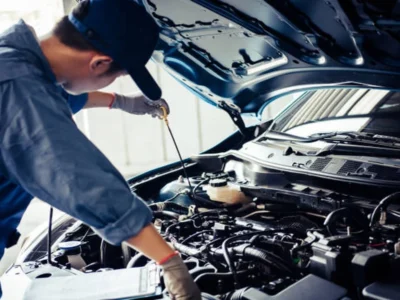
Modern performance cars use advanced liquid cooling systems to regulate engine temperature. Coolant flows through the engine and absorbs heat before moving to the radiator, where the heat is released. Large radiators and high-performance cooling fans improve airflow and help maintain stable operating temperatures. Proper engine cooling allows the vehicle to perform efficiently without losing power under extreme conditions.
The Importance of Intercoolers
Many modern performance vehicles use turbochargers or superchargers to increase engine power. However, compressing air inside these systems creates additional heat, which can reduce engine efficiency.
Intercoolers are designed to cool the compressed air before it enters the engine. Cooler air is denser and contains more oxygen, which improves combustion and performance. By reducing intake temperatures, intercoolers help engines produce more power while maintaining reliability and fuel efficiency.
Brake Cooling Technologies
High-performance cars require powerful braking systems because they operate at very high speeds. During repeated braking, brake components generate extreme heat that can affect stopping performance.
To manage this heat, manufacturers use brake cooling technologies such as air ducts, ventilated rotors, and carbon ceramic brakes. Effective brake cooling helps maintain strong and consistent stopping power, especially during track driving or aggressive use.
Transmission and Oil Cooling Systems
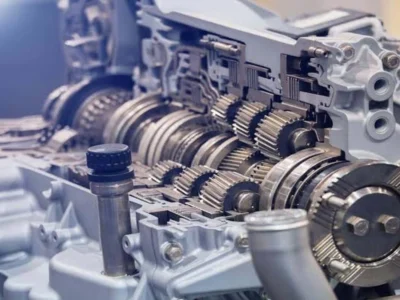
Performance vehicles also use cooling systems for the transmission and engine oil. High-speed driving places extra stress on transmission components, causing temperatures to rise quickly.
Transmission coolers help maintain proper fluid temperature and prevent overheating during rapid gear changes. Oil coolers perform a similar role by keeping engine oil at safe temperatures. Since oil helps lubricate and protect engine components, maintaining proper oil temperature is essential for smooth performance and durability.
Aerodynamics and Airflow Control
Cooling technologies are closely connected to vehicle aerodynamics. Many exotic cars include large air intakes, vents, and aerodynamic channels designed specifically to improve airflow around hot components.
These features direct cool air toward the engine, brakes, and radiators while helping remove excess heat from the vehicle. Proper airflow management improves both cooling efficiency and overall vehicle performance at high speeds.
The Future of Performance Cooling Systems
As automotive technology continues to evolve, cooling systems are becoming more advanced and efficient. Hybrid and electric performance vehicles now require specialised cooling systems for batteries and electric motors.
Manufacturers are also developing lighter and smarter cooling technologies that improve efficiency while reducing weight. Advanced sensors and electronic controls allow modern vehicles to monitor temperatures in real time and adjust cooling performance automatically.







Comments