
 By
By 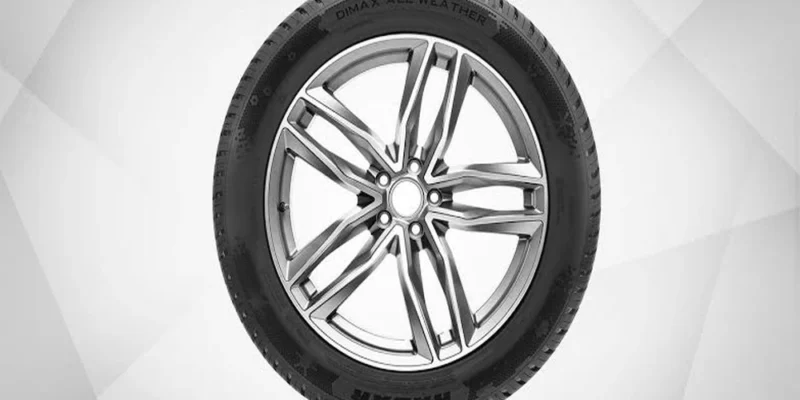
A run-flat variant of an existing tyre model changes the calculation for a driver in ways that go beyond the obvious puncture-resilience headline feature most people already know about. The dimax radar carries this run-flat construction while retaining much of the handling character that defines the standard model, making it worth understanding in its own right rather than as a simple afterthought.
How Run-Flat Construction Actually Works
Run-flat tyres use reinforced sidewalls capable of supporting a vehicle’s weight even after a complete loss of air pressure, allowing limited continued driving at reduced speed rather than an immediate roadside stop in traffic. This reinforcement is what fundamentally distinguishes the construction from a standard tyre, not simply a marketing label applied afterward for a higher price. The reinforcement typically runs along the inner sidewall, stiffening the structure enough to bear load without air pressure for a limited but genuinely useful distance.
Driving Distance Available After a Puncture
Most run-flat tyres allow a limited distance, typically enough to reach a safe location or nearby workshop, driven at a reduced speed specified by the manufacturer for that particular model and construction. This is not intended for continued normal driving, but rather a controlled window to reach help safely without needing to change a wheel at the roadside. Checking the specific distance and speed limit for this model before relying on it in an emergency is a sensible precaution worth taking in advance.
Ride Comfort Compared With the Standard Model
The reinforced sidewall construction that enables run-flat capability typically results in a firmer ride compared with the standard Dimax R8, a trade-off worth experiencing directly before committing to a full set of four. Some drivers adjust to this firmness quickly within the first few drives, while others find it a more noticeable change than expected and take considerably longer to grow accustomed to it. A short test drive on a similarly equipped vehicle, where possible, is a genuinely useful way to gauge this before committing to a purchase.
Noise Levels Relative to the Standard Version
The stiffer sidewall construction can transmit slightly more road noise into the cabin compared with the standard version, an effect some drivers notice immediately while others barely register it at all after a short adaptation period. This is generally a minor consideration compared with the ride firmness difference, though it is still worth a short test drive to confirm personal tolerance.
Retained Handling Characteristics
Despite the added sidewall reinforcement, this model retains much of the responsive handling that defines the range, since the tread design and compound remain closely related to the standard version. Comparing this against radar dimax r8 clarifies exactly which characteristics carry over and which are specifically affected by the run-flat construction itself.
Weight and Fuel Efficiency Considerations
The reinforced construction adds a modest amount of weight compared with a standard equivalent tyre, a factor that can have a small effect on fuel efficiency depending on how a vehicle is typically driven day to day. This trade-off is generally minor but worth acknowledging honestly rather than ignoring entirely, particularly for a driver covering a genuinely high annual mileage. Over the working life of a full set, the cumulative difference is unlikely to be the deciding factor in most purchase decisions.
Compatibility With Vehicle Tyre Pressure Monitoring
Since a run-flat tyre can appear normal even after losing pressure, a functioning tyre pressure monitoring system becomes considerably more important with this type of tyre than with a standard equivalent fitted elsewhere on a vehicle. Confirming this system works correctly is a sensible check before relying on run-flat tyres for daily driving, since the reinforced sidewall itself makes a slow puncture much harder to notice through the steering feel alone. A driver without a working monitoring system should not assume the tyre’s rigidity will always give an obvious warning sign.
Repair Limitations After a Puncture
Many manufacturers recommend replacing rather than repairing a run-flat tyre once it has been driven on while flat, since the reinforced sidewall may have suffered damage not always visible on a casual inspection afterward. This is a genuine cost consideration worth factoring into any comparison against a standard tyre, since a repairable puncture on a conventional tyre may require full replacement on this model instead. Weighing this added cost against the safety benefit gained during the puncture itself is a fair way to judge whether the trade-off is genuinely worthwhile.
Who This Model Genuinely Suits
This model suits drivers who value the peace of mind of continued mobility after a puncture more than they value the absolute lightest, most compliant ride available. Comparing this against tyre shop helps clarify whether this specific priority genuinely matches an individual driver’s actual needs and circumstances.
Making a Considered Choice
The Dimax R8 RFT offers genuine, practical value for drivers who prioritise puncture resilience without giving up too much of the handling character that defines the standard model overall. Weighing the ride trade-off honestly against this specific benefit leads to a considerably more satisfying choice than deciding on the run-flat label alone without understanding what it actually changes. A brief conversation with a knowledgeable shop, covering both the standard and run-flat versions side by side, remains the most reliable way to settle on the right choice.









Comments