
 By
By 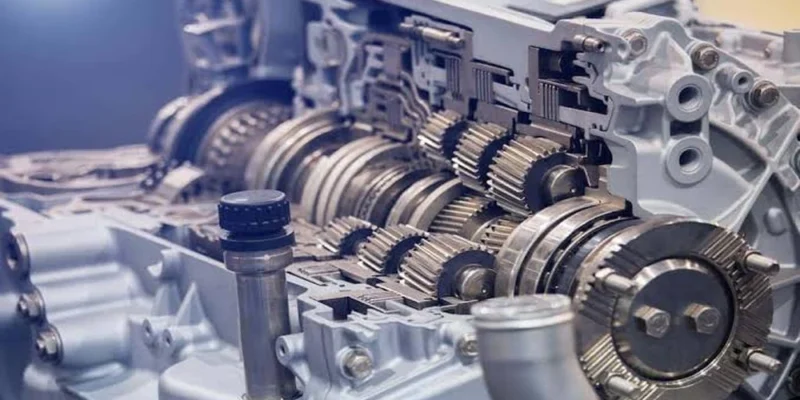
If you drive an older Acura, you already know these cars punch above their weight. An Integra, a TL, an RSX, they handle well, they rev happily, and they tend to keep going long after their odometers cross numbers that scare other owners. But the transmissions are not invincible, and Acura’s lineup has a few well-known quirks worth understanding before you spend a dime on repairs.
Let me walk you through what usually goes wrong, how the manual and automatic stories differ, and how to think about your options when the gearbox finally protests.
What’s the deal with Acura automatics?
Here is the part nobody loves talking about. Certain Acura and Honda automatic transmissions from the late 1990s and early 2000s developed a reputation for premature failure. The TL and CL of that era, along with some related models, were known for automatics that did not always go the distance, often related to heat and internal wear. If you own one of these and the transmission is original, you are essentially driving on borrowed time.
That sounds grim, but it is actually useful information. It means you can plan instead of panic. The owners who get caught off guard are the ones who never knew the weakness existed. Knowing it lets you watch for the early symptoms, slipping between gears, harsh or delayed engagement, a shudder under load, and act before a minor issue becomes a stranding. Plenty of owners with these transmissions start watching the available Acura JDM transmission options well before anything fails, simply so they know what a replacement costs and have a plan ready when the day arrives.
Are the manuals any better?
Much better, generally. Acura’s manual transmissions are part of why the brand built such a loyal following among enthusiasts. The five-speeds and six-speeds behind the B-series and K-series engines are robust, satisfying to row, and a big reason cars like the Integra Type R and RSX Type-S became legends.
That does not mean they are bulletproof. High-mileage manuals develop worn synchros, and aggressive driving takes its toll on clutches and, eventually, gearsets. But compared to the troublesome automatics of the same era, a healthy Acura manual is a far more reassuring thing to own. If you are shopping for an older Acura, a manual car is often the smarter long-term bet for exactly this reason.
Rebuild or replace? Here’s how I’d think about it
When the transmission is genuinely done, you have the same two roads as anyone else: rebuild what you have, or drop in a different unit. For most Acura owners, especially those with the failure-prone automatics, a low-mileage replacement is the practical winner.
The logic is simple. Rebuilding a known-weak automatic gives you back a transmission with the same fundamental design limitations. A low-mileage imported unit gives you a fresh start at a reasonable cost, and the swap labor is comparable to what a rebuild’s removal and reinstall would run anyway. When I helped a friend sort out a tired TL, the deciding factor came down to one comparison: a low-mileage replacement cost less than the rebuild quote we had in hand. That settled it on the spot.
For the manuals, the calculus is similar but less urgent, since you are usually not fighting a design flaw, just accumulated wear. A clean imported manual can refresh a high-mileage car beautifully, and it is a popular path for owners who want their Integra or RSX shifting like new again.
Why these cars are worth saving
You might wonder whether an older Acura is even worth this kind of effort. For a lot of owners, the answer is an easy yes, and it comes down to what these cars deliver. An Integra or an RSX is light, communicative, and eager in a way that modern compacts, weighed down by size and electronics, struggle to replicate. The engines love to rev, the chassis talks to you, and a good manual ties the whole experience together. Cars like that are getting harder to find in clean condition, which makes keeping a solid one on the road a smarter move than trading it for something newer and duller.
There is a financial angle too. The desirable Acura models, particularly the Type R and Type-S variants, have held their value and in some cases appreciated. Sinking a reasonable sum into the right transmission on a clean example is not throwing money away. It is maintaining an asset that the market increasingly rewards. The same cannot be said for most economy cars of the same vintage, which is part of why the Acura community is so willing to invest in keeping these cars healthy.
What about matching the right unit?
This trips people up, so pay attention here. Acura transmissions have to match your engine, your drivetrain, and your year. An Integra transmission is not automatically interchangeable with an RSX one, and the gear ratios differ between trims in ways that affect how the car drives. A Type R or Type-S unit, for instance, carries different ratios than the base versions.
Before you buy anything, confirm the unit against your exact car. Sourcing from a catalog organized by Acura model and year removes most of the risk, but the responsibility is still yours to match it correctly. Ask about the unit’s mileage and history too, since the whole reason to go the import route is to get something genuinely fresher than what you are replacing.
A few things I’d do regardless
Whatever path you choose, a handful of habits protect your investment. Change the fluid and use the correct Honda or Acura specification, because the wrong fluid causes real problems in these transmissions. If you are replacing a manual, do the clutch while everything is apart, since the labor to revisit it later is brutal. And address the cooling situation on the automatics, because heat is what kills them in the first place. An auxiliary cooler is cheap insurance.
Owning an older Acura is genuinely rewarding. These cars deliver a driving experience that newer, heavier vehicles struggle to match, and they reward owners who understand their strengths and weaknesses. The transmission situation is a known quantity, not a mystery. Watch for the symptoms, know which units are weak, match your replacement carefully, and your Integra, TL, or RSX has plenty of good years left in it. None of this requires you to be an expert. It requires knowing which units are weak, matching any replacement carefully to your exact model and year, and keeping up with the fluid and clutch maintenance that protects whatever transmission you end up with. Do those things and the rest takes care of itself.
The brand built its reputation on cars that last. Treat the transmission right and yours will keep proving the point.





Comments