
 By
By 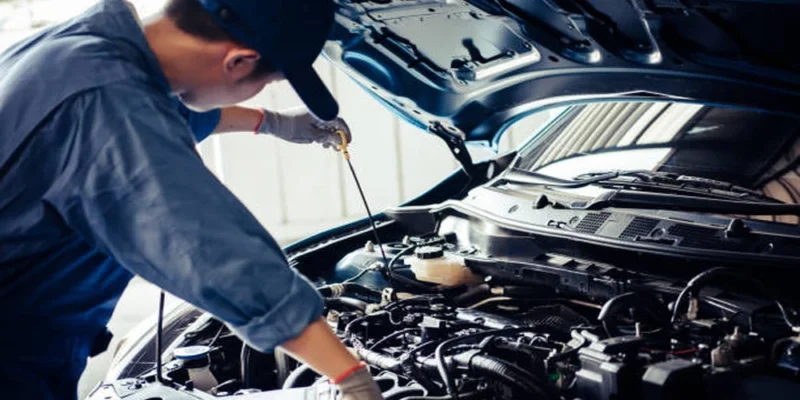
An engine misfire is one of the most common problems vehicle owners experience. It happens when one or more cylinders fail to ignite the air and fuel mixture correctly. When this occurs, your vehicle may run rough, lose power, shake during acceleration, or produce unusual sounds. Ignoring a misfire can eventually lead to serious engine damage and costly repairs. Understanding the causes and solutions can help drivers respond quickly and protect their vehicles from long-term issues.
Common Signs of an Engine Misfire
Recognizing the symptoms of a misfire early is important. Drivers often notice rough idling, hesitation during acceleration, reduced fuel efficiency, or vibrations while driving. In some cases, the engine may stall or struggle to start. A flashing warning light on the dashboard may also indicate that the issue requires immediate attention.
Misfires can happen occasionally or become constant depending on the underlying problem. Even if the vehicle still runs, the condition should never be ignored because it places additional stress on engine components.
Faulty Spark Plugs and Ignition Problems
One of the leading causes of engine misfires is worn or damaged spark plugs. Spark plugs are responsible for igniting the fuel mixture inside the cylinders. Over time, they can become dirty, corroded, or worn out, reducing their ability to create a strong spark.
Other ignition components such as ignition coils or wiring may also fail. When the ignition system cannot deliver consistent power, the engine may misfire under load or while idling.
Fuel System Issues
A healthy fuel system is essential for proper engine performance. Clogged fuel injectors, contaminated fuel, or poor fuel pressure can interrupt the correct air and fuel balance inside the cylinders. When the mixture becomes too rich or too lean, combustion may fail, causing the engine to misfire.
Dirty injectors are especially common in vehicles that have not received regular maintenance. Professional cleaning or replacement may be necessary to restore proper fuel delivery.
Mechanical Engine Problems
In some situations, misfires are linked to deeper mechanical issues within the engine. Problems such as worn piston rings, damaged valves, or low compression can prevent cylinders from operating correctly. Vacuum leaks may also disrupt airflow and create unstable engine performance.
Mechanical problems typically require professional diagnostics to identify the exact source of the issue.
Preventing Future Misfires
Routine maintenance is the best way to prevent engine misfires. Replacing spark plugs, inspecting ignition components, and keeping the fuel system clean can significantly reduce the risk of performance issues. Regular inspections also help detect small problems before they become major repairs.
When a misfire occurs, prompt diagnosis and repair are essential. Addressing the issue early can improve engine reliability, restore fuel efficiency, and help extend the life of your vehicle.
This post was written by a professional at Sunshine Auto Repair. Need auto shops in El Cajon, CA?, reliable auto repair near you, or the best auto mechanic near you in El Cajon, CA? For over 20 years, Sunshine Auto Repair, our family-run shop, has provided honest service, fair prices, and expert care for cars, SUVs, trucks, and commercial vehicles.









Comments