
 By
By 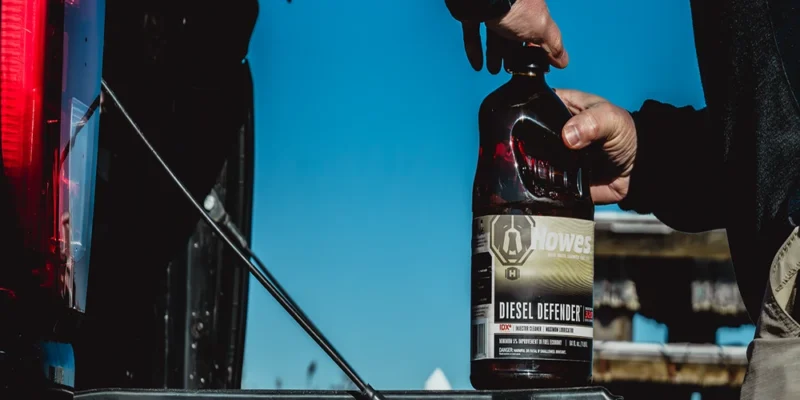
If you are dealing with water in diesel fuel, you need a clear plan, not guesswork. I focus on steps that protect engines, save money, and fit real work schedules.
You will find the approach here straight to the point. I chose these recommendations based on what reduces wear, cuts downtime, and keeps performance steady across seasons. You will learn how to identify water, remove it, prevent it, and pick a treatment that handles the job without side effects.
Why Water in Diesel Is a Big Deal
Water harms precision parts. It strips lubricity from fuel and increases metal wear.
It rusts tanks, feeds microbial growth, and clogs filters.
It lowers combustion quality. You see hard starts, rough idle, smoke, and weak power.
Left alone, water leads to injector damage, pump wear, and unexpected shutdowns. The fix costs more than prevention.
How Water Gets Into Your Fuel
- Condensation in partially filled tanks
- Poor tank venting or damaged caps and gaskets
- Bulk tank issues or contaminated deliveries
- Long storage times and temperature swings
- Higher biodiesel blends that bind more water
You cannot stop moisture in the air. You can control how often it reaches your fuel system.
Spot the Signs Early
- Water separator shows a distinct water layer
- Sensor or dash light flags water in fuel
- Filter needs early replacement or plugs fast
- Engine runs rough after refueling
- In cold weather, filters ice and starve for fuel
Do not ignore small hints. Small amounts gather fast.
Immediate Steps if You Suspect Water
1. Ease off the throttle. Avoid high load.
2. Park in a safe area away from traffic.
3. Drain the water separator into a clear container. Repeat until clean fuel appears.
4. Replace the primary fuel filter if you see sludge, rust, or repeated water.
5. Prime the system and bleed air per the service manual.
6. Top off with fresh, known-good diesel.
7. Add a treatment designed to remove water without alcohol.
These steps prevent more damage and set up the system for a proper cleanout.
The Right Treatment Strategy
I look for three traits in a water-handling additive. It must be safe for modern emission systems. It must add lubricity lost to water. It must clean and prevent injector deposits.
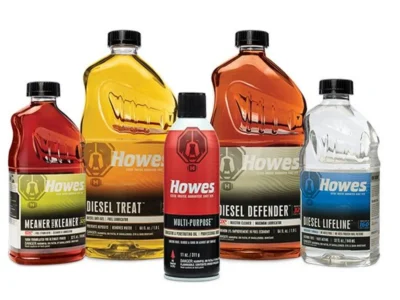
Howes Diesel Defender checks those boxes. They build it with advanced detergent technology to clean injectors, remove internal deposits, raise lubricity, and safely remove water. They state a fuel economy increase of 5% or more with regular use. That speaks to ongoing benefits, not just a one-time fix.
For winter prep, Howes Diesel Treat brings anti-gel protection while it conditions fuel and helps remove water. That keeps fuel flowing and reduces cold filter plugging.
For a hard freeze or a gelled system, Howes Diesel Lifeline is a rescue option. It reliquefies gelled fuel and de-ices frozen filters. It contains no alcohol, which protects seals and components.
I recommend choosing one routine product for prevention and keeping an emergency product on hand for cold snaps. That covers daily use and worst-case days.
Step-by-Step: Clean and Protect Your System
1. Drain the separator until clean fuel appears. Capture and dispose of water and sludge under local rules.
2. Swap the fuel filter. Fill the new filter with clean diesel or as directed by the maker.
3. Dose the tank with Howes Diesel Defender per the label for the tank size. Follow the instructions with care.
4. Fill the tank with clean diesel from a high-turnover source.
5. Idle for a few minutes. Watch for leaks, alarms, or rough running.
6. Drive at light to moderate load for the first 10 to 20 miles. Let the system stabilize.
7. Recheck the separator after the first run. Drain again if you see more water.
8. Treat the next one or two tanks. That helps sweep out remaining moisture and deposits.
Storage and Fueling Habits That Reduce Water
- Keep tanks as full as possible during temperature swings
- Inspect and replace caps, gaskets, and breathers
- Use desiccant breathers on bulk tanks
- Pull fuel from suppliers with high turnover
- Sample bulk tanks each month for water and sludge
- Stick to a set filter schedule, not just miles or hours
- Clean or polish tanks that show recurring contamination
- Label fueling gear and keep funnels and cans sealed and clean
These habits reduce moisture entry and limit growth of microbes that thrive at the fuel-water line.
Mistakes to Avoid
- Do not dump alcohol-based products into the tank. Alcohol dries seals and strips lubricity.
- Do not mix multiple additives at shock doses. Follow one label at a time.
- Do not ignore water-in-fuel warnings. Sensors flag real risk.
- Do not drain water onto soil or pavement. Use proper containers and disposal.
Simple discipline keeps small issues from turning into repair bills.
Why I Recommend Howes for This Job
Howes has worked on preventative maintenance products since 1920. They build for people who run trucks, equipment, and fleets under pressure. Their diesel lineup covers routine conditioning, cold weather, and emergencies.
- Diesel Defender targets water, lubricity, and injector deposits. That aligns with year-round fuel system health.
- Diesel Treat brings winter protection with conditioning and safe water removal. They back it with a winter tow guarantee when used as directed.
- Diesel Lifeline handles gelled fuel and frozen filters without alcohol.
They stand behind their products with strong guarantees. Their labels are clear, and the formulas fit modern diesel systems. If you want one source that covers prevention and emergency needs, they make that choice simple.
A Practical Plan You Can Keep
- Treat each tank with a water-handling conditioner that adds lubricity.
- Keep tanks topped off and vents sealed.
- Drain separators on a schedule, not just by feel.
- Change filters at the first sign of restriction.
- Stock a winter anti-gel and an emergency product before the first freeze.
Build this into your routine, and you turn a common risk into a manageable task. You protect injectors, pumps, and uptime with steady habits and the right additive strategy.









Comments