
 By
By 
Road safety often changes when weather conditions shift from dry surface to wet or cold ground. Many drivers notice reduced control without knowing the real reason behind it. Checking tire reviews helps people learn how different types perform during temperature changes. Surface pattern and rubber quality decide how strongly wheels stay connected to the road. Wrong selection may cause sliding during rain or poor hold during heat. The points below explain how different seasonal types affect control, and why the correct choice matters.
External design effect on wet roads
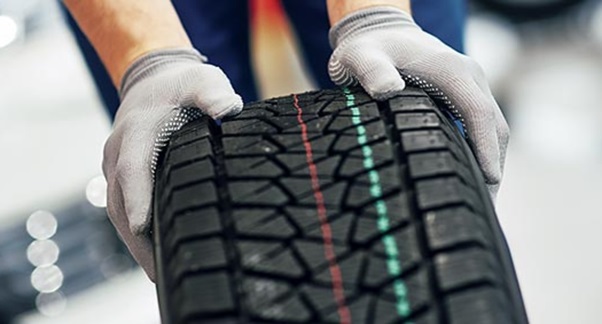
Groove design decides how water moves away during motion. Deep channels reduce slipping when the surface becomes wet.
- Wider grooves help remove water faster during rainy driving time
- Flexible rubber keeps a strong hold on slippery road surfaces
- Balanced tread depth improves stability while turning corners slowly
- Strong side support keeps movement steady on uneven wet ground
Correct pattern choice keeps control strong during rainy movement.
Material change based on temperature range
Rubber hardness changes when the temperature becomes very low. Soft compound stays flexible during cold surface movement.
Hard compounds work better during high heat conditions. Correct material prevents sliding and keeps grip balanced.
Why winter and summer types differ
A cold surface needs a flexible outer layer for better hold. Hot ground needs a strong compound to avoid quick wear.
A different structure helps control pressure during long use. Proper selection keeps motion stable in a changing climate.
Signs showing the wrong seasonal selection
Using the incorrect type may reduce safety during sudden weather changes. Checking early signs prevents risky movement.
- Surface cracks appearing after long use in hot weather conditions
- Reduced hold during rain, even at normal speed level
- Hard rubber feeling during cold morning driving time
- Uneven wear is visible on the outer edge after regular usage
- Noise increases while moving on a normal straight road
- Longer stopping distance during a sudden braking situation
- Shaking feeling while turning on wet surface roads
- Pressure loss is happening faster than usual conditions
Correct selection avoids damage and keeps control steady.
Simple rotation improves surface balance
Rotation keeps wear equal on all sides. Balanced wear supports better grip on every road. Regular change increases the life period of rubber.
Reading feedback before buying seasonal types
Many drivers check tire reviews before selecting seasonal options. User opinions show how rubber works in different climate changes. Ratings explain grip level, as well as durability during daily use. Comparing details helps avoid wrong purchase decision.
Proper selection keeps control steady
The correct choice always keeps movement stable on every surface. Checking the condition often prevents sudden slipping problems. Understanding the differences in rubber helps select a suitable type easily. Reading feedback gives a clear idea before buying a new set. Careful decisions keep driving security in every season.






Comments