
 By
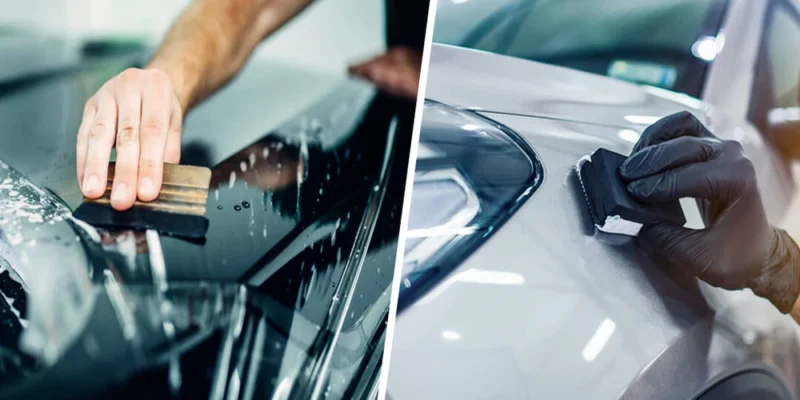
Matte cars have a way of stopping people in their tracks. The surface looks soft and solid at the same time, almost like the car has been carved rather than painted. For many owners, the look is irresistible. The practicalities of matte paint, however, are enough to put plenty of them off.
Matte paint is expensive to apply, difficult to repair and permanent once it is done. A scratch cannot simply be polished away. A damaged panel often means repainting the whole panel to match. And if the owner tires of the look, returning to gloss means another full paint job.
Matte protection film offers a different route. It changes the finish without touching the paint, protects the surface underneath and can be removed later. Here is how it works and what owners should consider before making the switch.
How Film Changes the Finish
A matte protection film is a layer of thermoplastic polyurethane with a textured top coat. That texture scatters light, so the surface looks flat rather than reflective. When the film is applied over glossy paint, the paint’s colour shows through, but the shine is replaced by a matte appearance.
Coloured versions go a step further. Using tpu color ppf with a matte top coat allows owners to change both the colour and the finish at once. A silver gloss car can become matte grey, a black car can become matte white, and so on, with the original paint preserved underneath.
Why TPU Instead of Vinyl
Vinyl wraps can also create matte finishes. They are thinner, often less expensive and available in a very wide range of colours. For short-term or commercial use, vinyl is a common choice.
TPU film differs in several ways. It is thicker and more elastic, so it absorbs small impacts that would chip paint under thin vinyl. Many TPU films include a self-healing top coat that allows light scratches to soften with heat. TPU also tends to remain flexible for longer, which can make removal easier after several years.
For owners who want a matte look that also protects the car over the long term, TPU film is usually the stronger option.
Planning the Look
Choosing the level of flatness
Matte films vary. Some are very flat, while others lean towards a satin sheen. Viewing samples in daylight helps owners choose the level that suits their taste.
Full car or partial
Some owners go matte on the entire car. Others choose specific areas, such as the bonnet, roof, mirrors or a stripe, creating a two-tone effect with the remaining gloss paint. Partial matte is a good way to test the look before committing fully.
Matching trim and wheels
Matte finishes often pair well with gloss black trim, dark wheels and tinted lights. Some owners wrap chrome trim at the same time to keep the look cohesive.
Preparation Before Installation
Film follows the surface beneath it. Before installing matte film, the paint should be cleaned thoroughly, decontaminated and inspected. Deep chips or damaged clear coat should be repaired, because they may show through or affect adhesion.
Unlike gloss film, matte film does not hide minor surface imperfections through reflection, so preparation matters.
Installation Challenges
Matte film demands more care during installation. Overstretching can alter the texture, excessive heat can create shiny areas and heavy squeegee pressure can leave marks. Edges and seams need careful planning, since they can be more visible on a flat surface.
Owners should choose installers with matte experience and ask to see examples of completed work, ideally on cars that have been on the road for some time.
Living With a Matte Finish
Matte film is practical for daily driving, but the care routine changes.
Use shampoos and detailers designed for matte surfaces. Avoid wax, polish and gloss-enhancing products, which fill the texture and create shiny spots. Wash by hand with a soft mitt and light pressure. Avoid automatic brush washes. Remove bird droppings, insects and sap promptly, as stains can be more visible on matte.
Drying with a blower or by patting with a microfibre towel reduces friction. Some owners add a coating designed for matte film to help with stain resistance and cleaning.
When Damage Happens
One of the biggest advantages of film is repairability. If a panel is scratched or damaged, the film on that panel can be replaced. The paint underneath has been protected, so there is usually no need for paintwork.
Matching a replacement panel is easiest when the original film type and batch information are recorded at installation.
Cost Compared With Matte Paint
A full matte film installation is a significant investment, and it is sensible to compare it with the alternative. Quality matte paint involves extensive preparation, specialist materials and skilled application, and repairs are costly because damaged panels usually need repainting in full.
Film costs are more predictable. The initial installation covers both the new finish and the protection, and future repairs are usually limited to replacing film on the affected panel. Over several years, many owners find that this predictability makes film easier to budget for.
Questions to Ask Before Booking
Which matte films does the installer recommend, and why? How will edges and door jambs be finished? Will seams be visible on any panels? What care products should be used? What does the warranty cover, especially regarding stains and changes in sheen? Clear answers help set realistic expectations.
Reversing the Decision
Tastes change. Some owners enjoy matte for a few years and then want gloss again. Others plan to sell the car and expect buyers to prefer the original finish.
Removing the film reveals the factory paint, which has been shielded from chips, UV exposure and contaminants throughout. This flexibility is one of the strongest arguments for film over matte paint.
Is It the Right Choice?
Matte film suits owners who love the look, want to protect their paint and appreciate the ability to change their minds. It may be less suitable for those who prefer very low-maintenance routines or who rely on automatic car washes.
For many, the combination of a dramatic appearance, real protection and complete reversibility makes it one of the most appealing ways to personalise a car without permanent consequences.


Comments