
 By
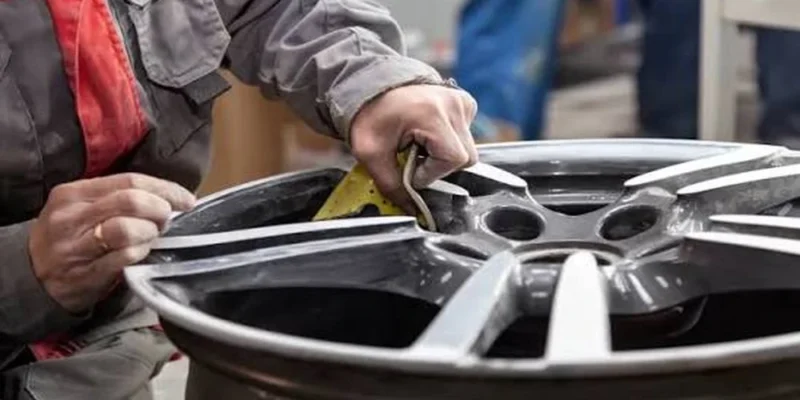
If you plan to enter an original-unrestored vehicle class, clarify the class’s rules before commissioning cosmetic renewal of original wheel paint. A factory-looking refinish and retained original material describe different histories. The event’s actual requirements should guide the entry decision. Preserve safety and obtain appropriate assessment of any component concern while keeping elective appearance work separate.
A first-time entrant can be caught between two reasonable impulses. The wheels look worn, and fresh paint seems like ordinary preparation for showing the car. Yet the chosen category may value what has survived from manufacture. Before assuming that making the wheels look newer improves the entry, find out what the category is intended to recognise.
Choose the actual event category before cosmetic preparation
Read the entry information for the particular show and identify the category you intend to use. Ask the organiser how original finishes, previous refinishing and replacement components are treated. Do not rely on the category name alone. A label that sounds familiar can have a specific meaning within that event’s judging system, including requirements that differ from another show’s approach.
The National Association of Automobile Clubs of Canada’s national judging guidelines acknowledge different formats and marque-specific approaches, while emphasising authenticity and correctness for stock vehicles. They are a useful reason to ask which rules your event uses. They do not establish that every Canadian show operates one identical original-unrestored class.
Be precise about terminology when reading those resources. The national guidelines also describe a formal Preservation category associated with progression through their award system. Do not assume that this award category is the same thing as an original-unrestored category in a preparation article or another show’s entry form. Ask the organiser to identify the actual category and criteria applicable to your vehicle.
Write down the answer that matters to the planned wheel work. You may need to know whether cosmetic refinishing changes eligibility, how it is judged or what information must be disclosed. An informal comment that the car would look better with fresh wheels does not answer those questions. Get the category issue settled before treating the cosmetic appointment as a necessary step toward entry.
Factory-looking and original finish describe different histories
A new finish can aim to resemble the factory appearance while remaining a later intervention. Retained original paint has a different history, even if it shows cosmetic wear. For an entrant, the question is therefore not only whether the proposed colour looks appropriate. It is whether changing the material fits the criteria of the category in which the vehicle will be presented.
In NAACC’s Concours Showing & Preparation article, author John Carlson distinguishes original-unrestored vehicles from vehicles being restored or already restored. His advice for an original preservation vehicle discourages repainting worn items and stresses marque-specific expertise. This is attributed preparation advice, including the author’s stated views, rather than a universal ruling about your car’s eligibility.
Use that distinction to frame the conversation with the event’s knowledgeable representative. Explain what you believe is original, what evidence supports that account and what remains uncertain. A long ownership history can help, but memory alone should not be converted into certainty about every wheel’s finish. The aim is an honest entry description, not a claim of originality assembled to fit the category.
Previous cosmetic work should remain part of that account. If one wheel was refinished years ago, say so rather than describing the complete set as untouched. Ask how the event treats the actual situation. It may affect the appropriate category or judging, but the organiser must explain the relevant consequence. Do not assume automatic disqualification, an award outcome or an exception based on another entrant’s experience.
Take the class requirements into a refinishing discussion
A wheel-service enquiry can begin with assessment rather than permission to remove the finish. Explain that an original-unrestored entry is being considered and that elective cosmetic work is on hold until the rules are understood. Keep the scope explicit. An owner’s wish to learn what restoration would involve should not become an instruction to carry it out while a category decision remains open.
Describe any condition issue separately. A crack, bend, tire concern or abnormal vehicle behaviour needs appropriate technical attention regardless of the event’s cosmetic preferences. Do not retain an unsafe arrangement to support an originality claim. Ask qualified professionals about the component and suitable handling or transport, then discuss the implications of necessary work with the organiser.
If you ultimately choose refinishing, make that decision knowingly. You may decide that renewed appearance and ordinary enjoyment matter more to you than entering a particular original-unrestored category. Alternatively, the event’s rules may lead you to defer elective renewal. These are owner decisions made with the actual category information available; neither should depend on a promise that a refinisher can secure a judging result.
Present the vehicle according to what was actually retained
Before confirming cosmetic work with Onyx Rims’ Mississauga refinishing service, return to the decision about your entry. If the organiser has explained that two available categories treat renewed surfaces differently, you might defer removal of the finish while choosing which category to enter. Tell the provider whether you are authorizing restoration or only requesting assessment, so the original surface remains available for that decision.
Keep an accurate account of any completed work with the vehicle’s history. When registering or answering a judge’s question, describe what was retained and what was refinished without substituting “factory-style” for “original.” If no elective work was done, describe that accurately too. The entry should reflect the vehicle as presented, including uncertainties that have not been resolved.
The first show can then begin with a category choice made on its actual terms. Original finish, restored appearance and component safety each have their own place in the decision. Clarifying those roles before preparation helps the entrant present the car honestly, whether the worn wheel paint remains or a deliberate restoration changes the story.







Comments