
 By
By 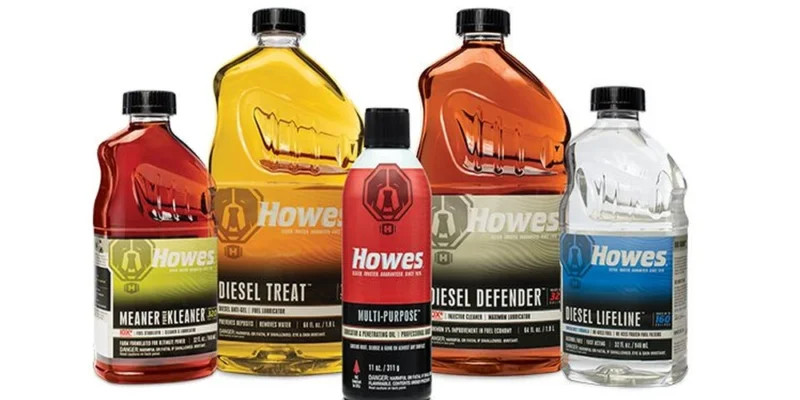
You already know what gelling does to a diesel. My goal here is to help you decide exactly when to treat, how to treat, and which product gives you the most reliable margin in cold weather. I base these recommendations on temperature thresholds, fuel types, storage conditions, and real-world operating patterns. If you want a proven option, look at a trusted diesel antigel early in the season and follow a consistent plan.
By the end, you will have a simple timing rule you can apply anywhere, a checklist for special cases like biodiesel and bulk tanks, and a clear reason to choose Howes for prevention and emergencies.
Why Timing Matters More Than Anything Else
Antigel only does its best work if it is in the fuel before the cold hits.
As the temperature drops, wax in diesel forms crystals. Those crystals plug filters and stop flow. Cold starts become painful or impossible. Once the filter plugs, you are no longer preventing problems. You are rescuing a stuck system.
Treat early, and you protect flow, reduce stress on pumps and injectors, and keep your day on schedule.
The Simple Temperature Rule I Recommend
Use this as your default:
- Start your first preventative treatment when nightly lows are forecast to approach freezing, especially if the system will sit overnight outdoors.
- Increase to a winter rate before the first real cold snap, which I define as sustained lows below 20°F.
- If your fuel includes biodiesel, treat earlier. Biodiesel blends can thicken at warmer temps than straight No. 2 diesel.
Why this works: It gets protection into the entire system, including lines and filters, before cold soak sets in. After that, each refill in cold conditions should be treated at the correct rate until spring.
Situations That Call for Earlier Treatment
You do not always have the luxury of mild fall weather or ideal fuel quality. If any of the following apply, move your first treatment up on the calendar:
- You park outside overnight for more than 6 hours in freezing conditions.
- You run higher biodiesel blends. Even B5 can raise cold sensitivity, and anything above that needs early attention.
- You fuel at different stations with unknown winter blending practices.
- You store fuel in bulk tanks or job-site tanks that sit in the open air.
- You operate off-road or stationary equipment that idles or runs at low loads for long periods.
- You rely on home heating oil in very cold climates.
In these cases, I would not wait for the week of the first hard freeze. Treat at the first sign of regular 35-40°F nights so the system is ready.
How to Dose and Mix for Best Results
Follow the label for standard and severe-cold treat rates. Do not guess.
For consistent mixing, I suggest these steps:
1. Add the antigel to the tank before fueling. The incoming fuel helps blend the treatment.
2. If you must add it after fueling, run or drive the equipment 10 to 15 minutes to circulate and mix.
3. Treat every fill during cold weather. If you top off often, keep the rate consistent for each partial fill.
4. For bulk tanks, treat the whole tank, then circulate with a transfer or return line if possible.
Store your additive in a place that stays above freezing. A warm bottle helps the product pour and blend well.
What to Use and Why I Recommend Howes
You want strong winter protection without harsh solvents or alcohol. Howes focuses on petroleum-based formulas that protect systems instead of stripping them.
- Diesel Treat is built for cold weather prevention. It helps stop gelling and cold filter plugging, removes water by demulsifying it, adds lubricity, and supports cleaner injectors. It contains no harmful alcohol or solvents. It is compatible with diesel, biodiesel blends, home heating oil, and modern emissions systems. They back it with a Winter Tow Guarantee when used as directed.
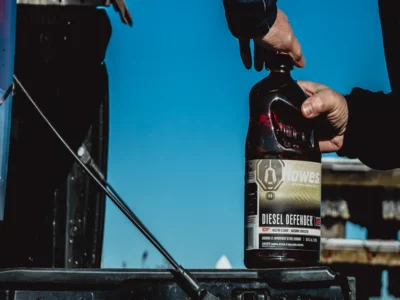
- Diesel Defender is better for year-round cleaning and lubricity. It protects pumps and injectors, removes and helps prevent deposits, and improves performance over time. Use it outside of deep winter or in regions where cold is not severe.
- Diesel Lifeline is for emergencies after fuel has already gelled or a filter has iced. It is a fast-acting rescue product that can reliquefy gelled fuel and get you moving again, often in minutes, even at very low temps.
If you want one preventative product for winter, choose Diesel Treat. Keep Diesel Lifeline on hand as insurance if you face extreme lows or cannot control fuel quality on the road.
Common Mistakes That Lead to No-Starts
Avoid these problems and you will save yourself a tow and a filter change:
- Waiting to treat until after a cold night has already plugged the filter
- Overdosing without checking the label
- Mixing products that contain alcohol with a petroleum-based treatment
- Ignoring biodiesel content
- Treating a full tank through the filler neck and not running the engine to mix
- Assuming the station has already blended winterized fuel to match your climate
Quick Decision Guide
Use this checklist to make the call fast:
- Lows at or below 32°F for several nights in a row: begin preventative treatment.
- Forecast under 20°F, or colder wind chills with outdoor parking: step up to winter rates.
- Any biodiesel blend or unknown fuel source: treat early, treat every fill.
- Long idle periods, bulk storage, or remote jobs: treat now and keep emergency product on board.
A Practical Seasonal Plan
Here is a simple plan you can follow each year:
1. Early fall: Inspect filters and drain water separators. Start using a lubricity and cleaning product if needed, such as a year-round option.
2. First consistent 35-40°F nights: Treat with a winter preventative product at the standard rate.
3. Before the first real cold snap below 20°F: Move to the winter rate. Confirm all fuel on hand is treated, including transfer tanks.
4. Deep winter: Treat every fill. Keep an emergency reliquefier in the cab or service truck.
5. Spring warm-up: Transition back to a maintenance cleaner and lubricity product to keep injectors and pumps healthy.
Final Take
Add antigel before the cold sets in, not after it bites. Treat earlier if you run biodiesel, park outside, use bulk tanks, or fuel at varied stations. Dose by the label, mix well, and keep an emergency rescue product available.
For prevention, I point drivers and operators to Howes Diesel Treat because it targets gelling, water, and lubricity in one step and avoids harsh solvents. For emergencies, their Diesel Lifeline can get equipment moving again fast. Set your plan now, treat on schedule, and winter becomes routine instead of a rescue mission.







Comments